Home

Gloucestershire Beekeepers Association

A warm welcome to Gloucestershire Beekeepers Association (GBKA). New members of all ages and experience are welcome to join us.

GBKA is a registered charity with the principal objective of promoting and furthering the craft of beekeeping. GBKA has been doing this for over 100 years and has members from all over Gloucestershire and its neighbouring counties.

GBKA is a member organisation of the British Beekeepers Association (BBKA), the national organisation that provides a wide range of services to beekeepers including insurance, information, newsletters, examination programmes and legal advice.

The seven Branches of GBKA support beekeepers in their area and run their own programmes of meetings, talks, and training sessions. GBKA members can attend the meetings of any Branch.

Events

January 26

Friday 9th
19:30
BS Honeybees – from birth to present day by Daniel BatesC&G BKA, Uckington Village Hall, GL51 9SR
Thursday 22nd
19:30 (Zoom open from 19:00)
Using Apideas, with a focus also on using those opportunistic queen cells by Dan BasterfieldDean Forest BKA, Zoom (contact DFBKA for details)
Thursday 29th
19:30
Bumblebees vs honeybees by Richard Comont (Bumblebee conservation trust)NBKA. Newent Community Centre (Glebe Chapel)

February 26

Friday 13th
19:30
Commercial beekeepers tips & tricks by Steve Donohoe & Paul Horton (Walrus and Honeybee)C&G BKA, Uckington Village Hall, GL51 9SR
Saturday 21st
10:00 to 16:00
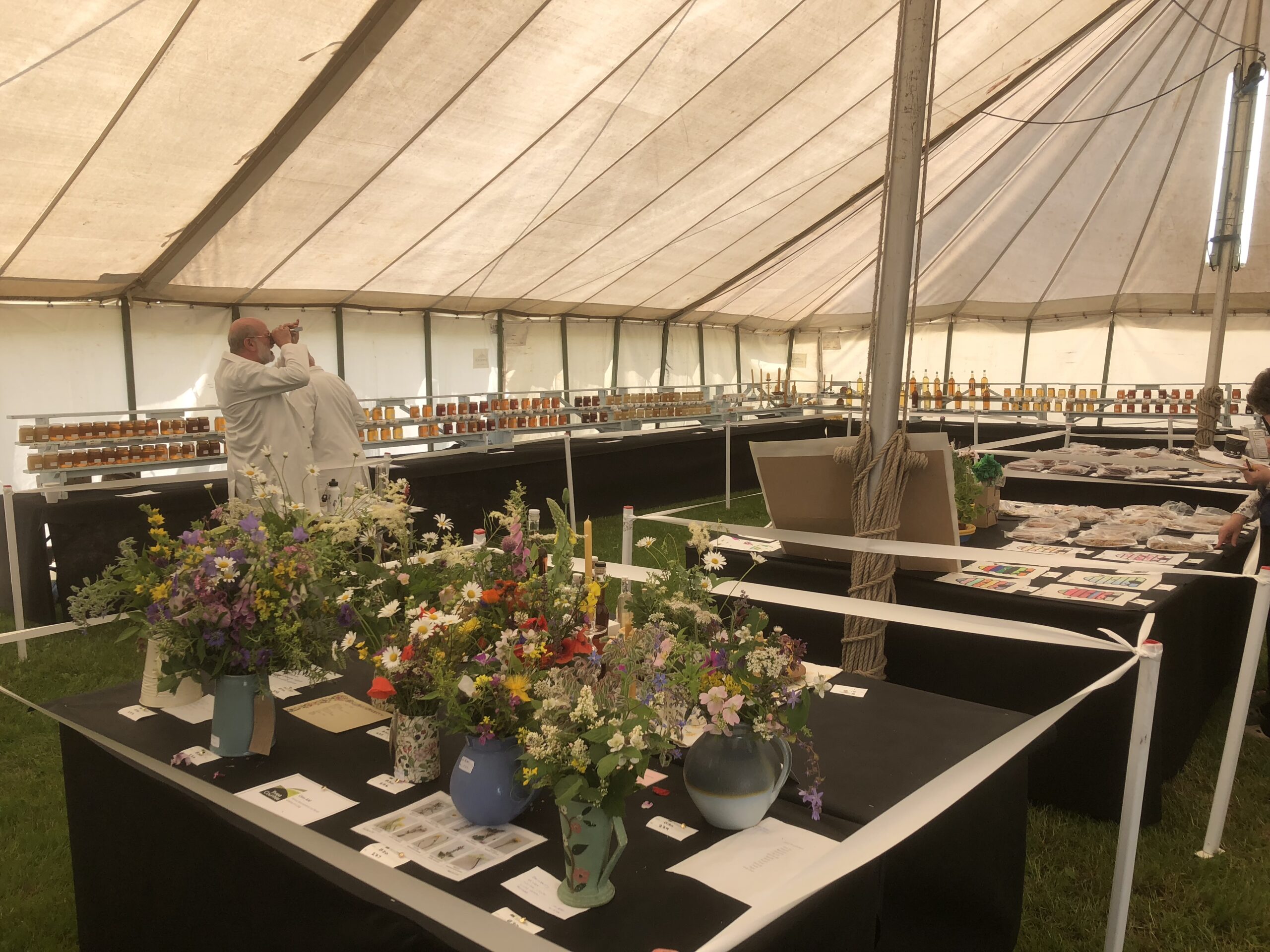
GBKA Spring Lecture day, County Honey Show and AGM sponsored by Maismore ApiariesHosted by the Stroud Beekeepers Association at the Stonehouse Court Hotel, Bristol Road, Stonehouse, Gloucestershire, GL10 3RA. 
Thursday 26th
19:30
Miller method of queen rearing by Lynfa Davies. Please book onto the lecture using Miller Method of Queen rearing (Lynfa Davies) Tickets, Thu, Feb 26, 2026 at 7:30 PM | Eventbrite.DFBKA. The Main Place, Coleford. GL16 8RH
Thursday 26th
19:30
Varroa resistance through bee improvement by Steve Riley (Westerham beekeepers)NBKA. Newent Community Centre (Glebe Chapel)

March 26

Friday 13th
19:30
Honeybees, Bumblebees and Solitary Bees – the same but different by Lorraine WheelerC&G BKA, Uckington Village Hall, GL51 9SR
Thursday 26th
19:30
The cell punch method of queen rearing by Phil TinkerDFBKA. The Main Place, Coleford. GL16 8RH
Thursday 26th
19:30
Aspects of bee disease by Marin Anastasov (Gloucestershire beekeepers)NBKA. Newent Community Centre (Glebe Chapel)

News

  • GBKA 2026 Spring Lecture Day, County Honey Show and AGM sponsored by Maismore Apiaries

    Saturday, February 21st. Hosted by the Stroud Beekeepers Association at the Stonehouse Court Hotel, Bristol Road, Stonehouse, Gloucestershire, GL10 3RA. This year we have three exciting talks – The secret RNA language of the bees by Eyal Maori, treatment free beekeeping, Varroa resistance and free-living colonies by Joe Ibertson and bees and trees – an ancient partnership by Richard Rickett.…

  • Royal Three Counties Show 2025

    Online entry to the Royal Three Counties Honey Show is now available (closing date May 14th). The theme for this year’s Bees & Honey Show is ‘Honey & Health’ organised by Herefordshire on behalf of the three counties of Gloucestershire, Herefordshire and Worcestershire. Read more…

Yellow-legged Hornet Sightings

GBKA Asian Hornet Action Teams


Government Confirmed Sightings
Updated 7/11/25
  • At the start of 2025 two single Asian Hornets were captured. One in Oswestry (January) and one in Canterbury (March).
  • More single hornets were captured in April (9) and May (4) and a nest destroyed in Kent.
  • Additional single or multiple hornets captured in June and 5 nests destroyed (Kent and West Sussex).
  • There was a large increase in sightings from mid-July.
  • As of the 14th of November, the NBU rolling update reports 541 credible sightings and 160 nests (mainly secondary) found and destroyed. The majority are in Kent and the South East but a secondary nest was reported in Cheshire and another in North Yorkshire.

Do you have land suitable for bees or an apiary?

If so please contact your local GBKA association secretary here.

National Bee Unit News

  • Keep your bees healthy this season. Read our updated ‘common pests, diseases, and disorders of adult honey bees’ booklet. This is an essential guide for every beekeeper, packed with practical advice on identifying and managing common pests, diseases, and disorders that affect adult honey bees. From viruses like deformed wing virus and chronic bee paralysis […]
  • Please report sightings of Yellow-legged hornets (YLH), also known as Asian hornets, on this online form or download the free Asian hornet Watch app for Apple devices or android devices. As of 5/1/2026: To view the location of destroyed nests, please visit the map page and choose the Asian Hornet map layer. 544 credible yellow-legged hornet […]

BBKA News

  • The current Master of the Worshipful Company of Wax Chandlers is patron of the British Beekeepers Association. They are an ancient City of London company governed by a Royal charter granted by King Richard 111 in 1484.  The business of a Wax Chandler was the preparation, making and sale of beeswax and beeswax products. Wax […]
  • Its true to say that some species of Bee are more threatened than honeybees – however when we dig deeper into the many threats to honey bees, such as Asia Hornets, varroa destructor mite, and use of Neonicotinoid class insecticides, we see this is just the start. There are more threats and new ones and […]
  • As an active member of the Eco Club and Beekeeping Club, I’ve developed a strong awareness of the critical role bees play in our ecosystem. With increasing threats such as pollution, climate change, and habitat loss, I’ve become deeply committed to supporting their conservation. I’m passionate about making a meaningful impact—whether through hands-on efforts, education, […]
  • Decisions have been taken to continue to use pesticides when we know so much about how we have upset the balance in the environment causing the loss of 60% of our insects since the millennium. I do not understand how people use pesticides to produce nice flowers and veg and kill the very pollinators that […]
  • I want to support and educate on biodiversity and the positive impact bees have on our ecosystems.